Start with Spectrum
Spectrum is the system behind Adobe experiences, a shared language for turning ideas into products. It brings structure and connection across our products, creating the space to explore, create, and evolve.

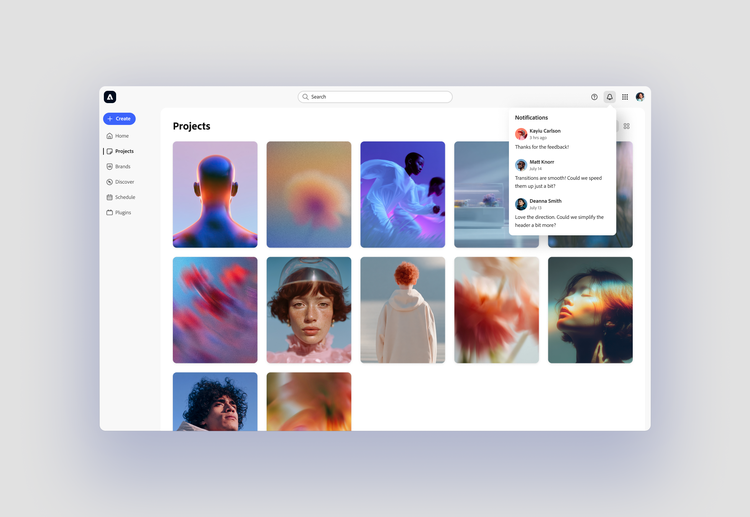
One system, built for every platform
Spectrum remains one connected system, now organized by the language each product team builds with. Dedicated areas for React and Web Components are available in beta, with iOS, Android, and additional platforms coming soon, giving teams the flexibility to work in their specific context while staying connected to Spectrum.
Build with Spectrum
Spectrum goes beyond components. Use the foundations, tokens, patterns, and guidance behind the system to build experiences that are consistent, flexible, and ready to scale. Whether you’re using a Spectrum component or building something custom, Spectrum gives you the building blocks to stay connected to the system.
Explore components in context
Every component page includes an interactive playground that lets you see the live component in action and explore its available props and attributes. The playground is connected to Spectrum’s repositories, bringing real component data directly into the documentation. Adjust properties, test different configurations, and understand how each component behaves, all in one place, with documentation that stays closely connected to the source.

The new web Figma library
Everything you know, thoughtfully rebuilt
We’ve refined the Spectrum Web Figma Library to make it simpler, more consistent, and easier to evolve. Components now share a more consistent architecture, with consolidated assets, clearer organization, and a simpler token foundation designed for better maintainability and future expansion.
Built to help you move faster
A clearer property hierarchy and Figma Slots make components easier to find, understand, and adapt. Flexible content stays connected to the system, while a more streamlined library makes it easier to build consistent experiences at scale.